
Modern comfort. Original character.
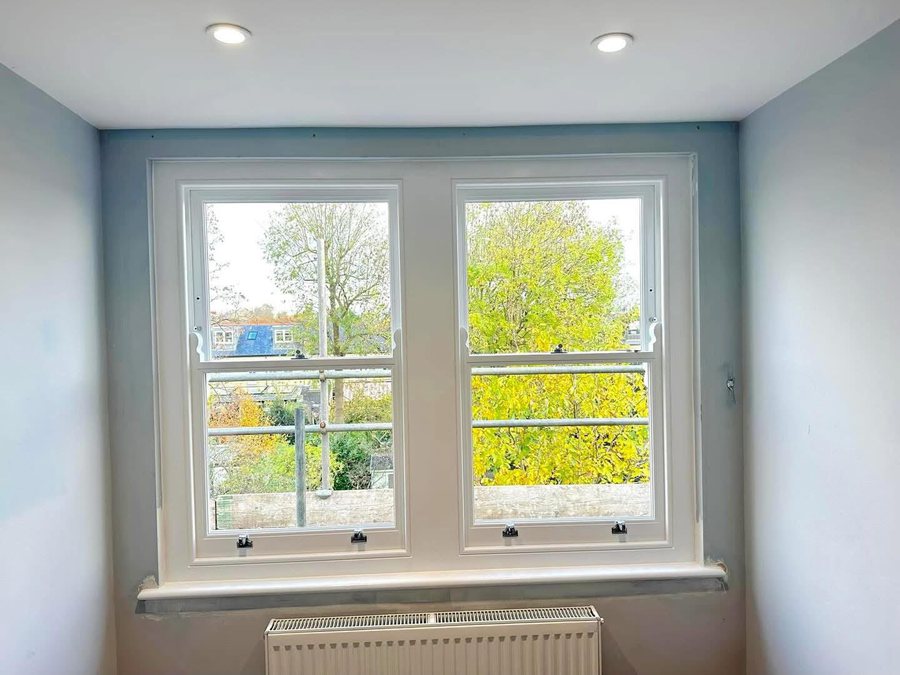
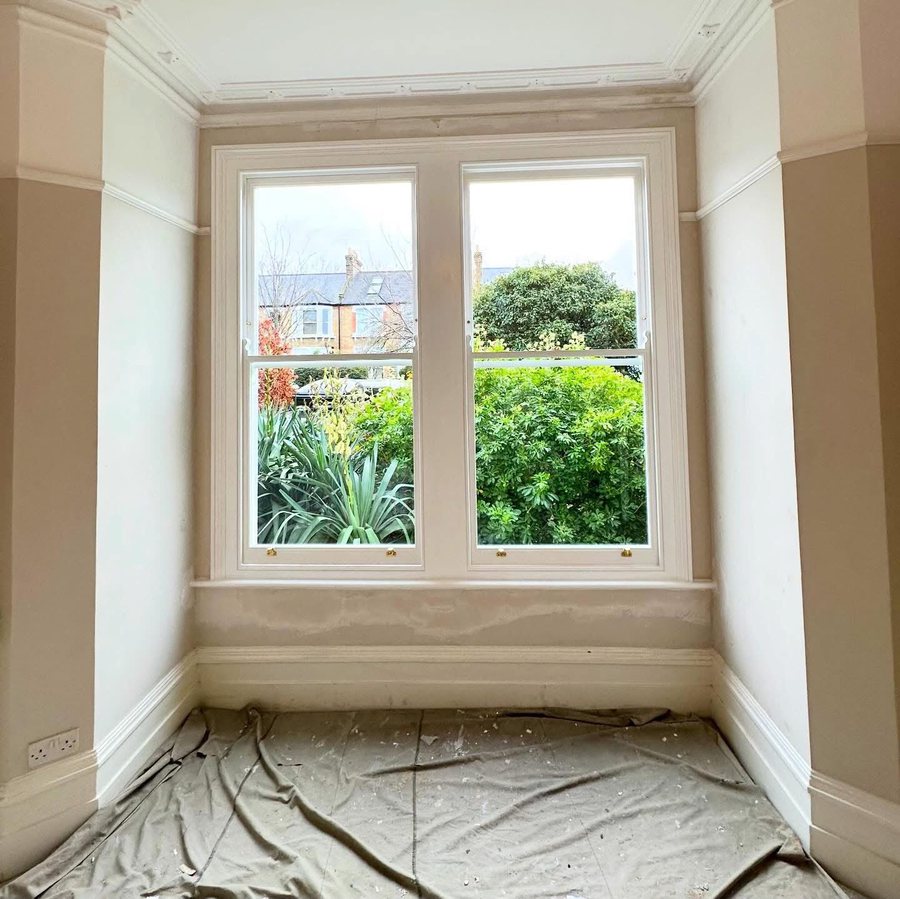
You should not have to choose between a warm house and a beautiful one. I fit slimline double glazed units in newly made timber sashes, crafted to match your originals exactly and hung in your existing frames.
Original sashes are rarely up to the job: slimline units weigh more than old timber can safely carry, and most old sashes are too worn or rotten to take them. New sashes keep the character and add the comfort. Glazing bars and sight lines are matched, the frames stay, and from outside it is almost impossible to tell anything has changed.
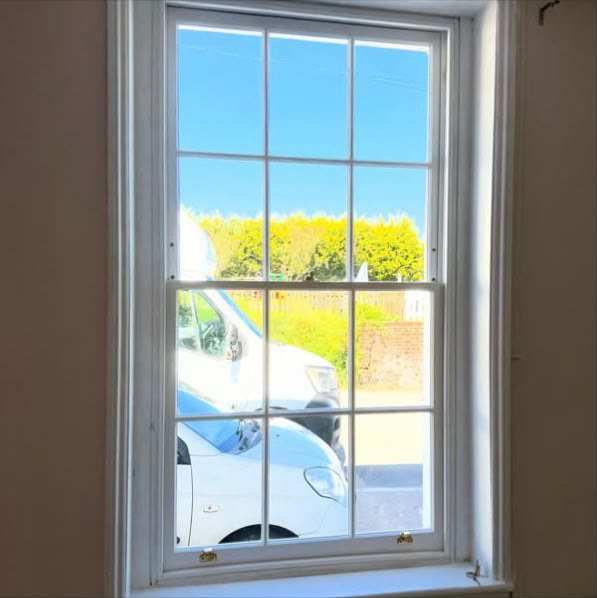
Slimline sealed units cut heat loss dramatically compared with single glazing, so rooms hold their warmth and bills come down.
Double glazing combined with draught proofing takes the edge off traffic, trains and busy streets.
The warmer inner pane means far less moisture streaming down the glass on cold mornings.
Your original frames stay and the new sashes are made to match them exactly. From the street, the house looks exactly as it should.
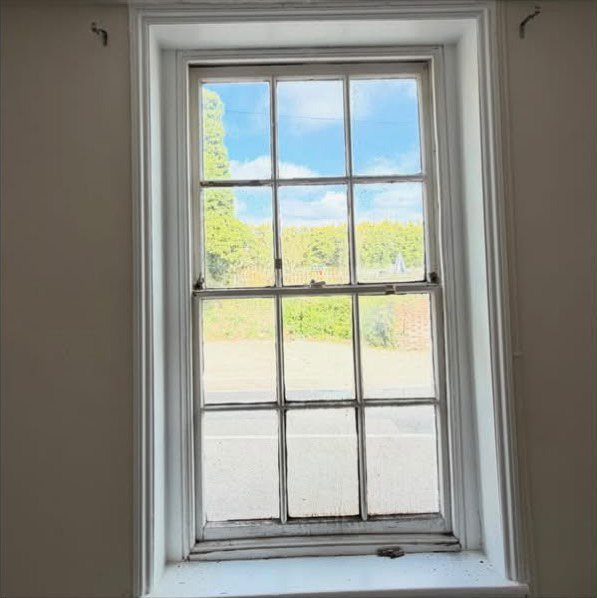
On some listed buildings consent is needed before glazing changes, and occasionally secondary measures such as draught proofing and shutters make more sense. I will always tell you straight what your windows need.
Where it does fit, the upgrade is done with the same traditional care as any restoration: rebalanced weights, new cords and a proper painted finish.
Ask About Your Windows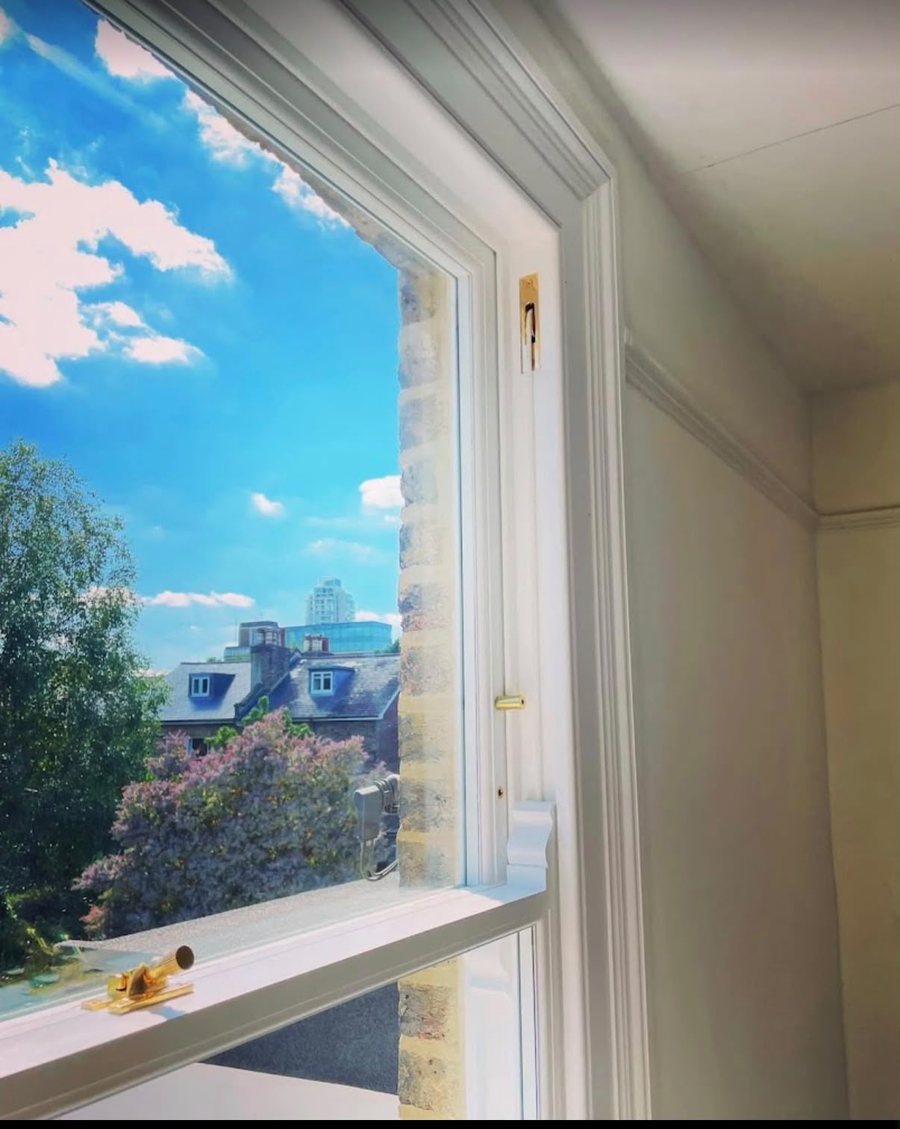
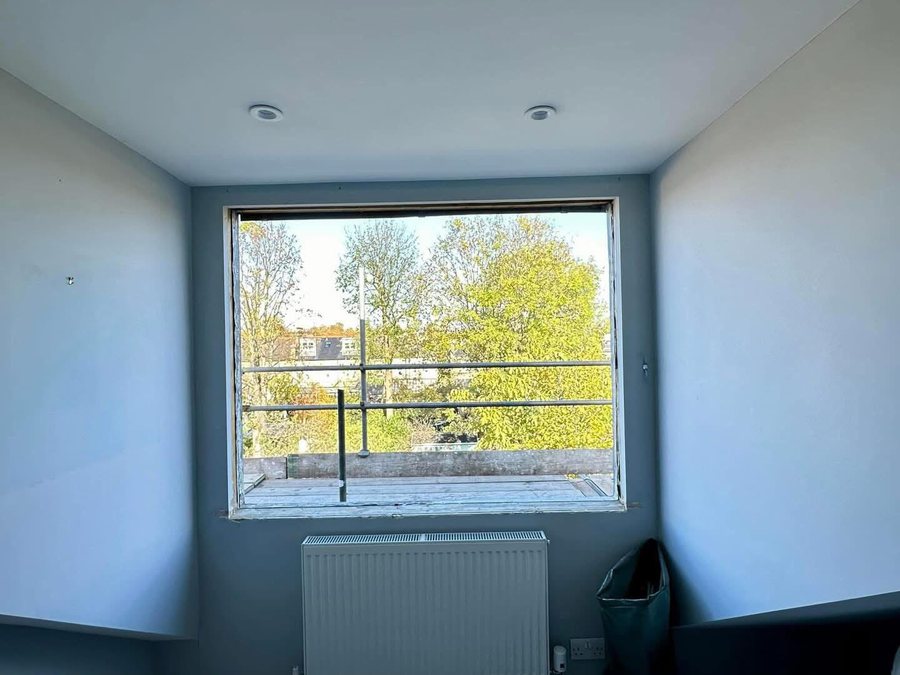
If you let out a period property, energy efficiency has moved up the agenda. As things stand, a home cannot be let in England or Wales with an EPC rating below band E, and the government has committed to raising that minimum to band C for privately rented homes, with 2030 the date being worked towards. A great many period houses with original single glazing currently sit at D or below.
Single glazed sash windows are one of the clearest weak points in an older house. Replacing single glazing with slimline double glazed units in new timber sashes improves the window element of an EPC assessment, and draught proofing reduces the uncontrolled air leakage that makes a period home expensive to heat and uncomfortable to live in.
Homeowners get the same benefit without the paperwork: warmer rooms, lower bills, less condensation and a quieter house, with the character of the building left intact.
Windows alone will rarely move a whole property up a band. EPC assessments are driven mostly by insulation, heating and controls, and any tradesman who promises you a specific rating from a window job is guessing. What I can tell you is that upgrading the glazing and draught proofing genuinely improves the fabric of the building and counts in your favour.
If your property is listed or in a conservation area, it is worth knowing that the rules recognise this. Where the required work would unacceptably alter the character or appearance of the building, or where consent is refused, an exemption route exists. Getting proper advice before committing to anything is money well spent.
The sensible first step is a survey. I will tell you which windows would genuinely benefit from double glazing, which are better draught proofed and restored, and which are fine as they are.
Book A Free SurveyEnergy efficiency rules change. The above is general information, correct to the best of my knowledge at the time of writing, and is not legal advice. Landlords should confirm their current obligations before making decisions.